
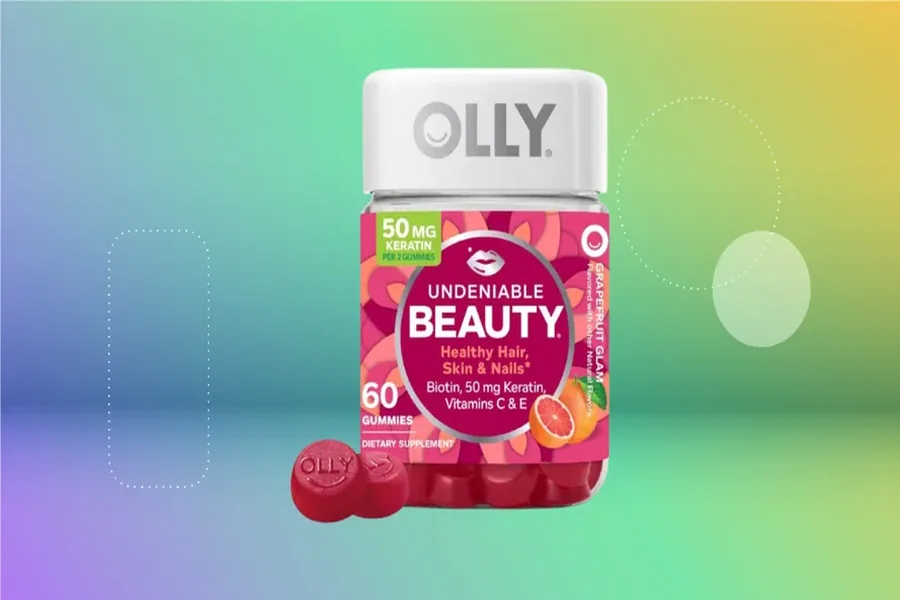
What you put into your body shows up on the outside. The health of your hair and skin is directly connected to your nutritional status and deficiencies in key vitamins can show up as dull skin brittle hair slow growth and increased shedding. On the other hand giving your body the nutrients it needs consistently produces visible improvements that no topical product can fully replicate. If you are serious about improving your hair and skin understanding which vitamins make the biggest difference is a smart place to start.
Biotin: The Most Well-Known Hair Vitamin
Biotin also known as vitamin B7 is probably the most famous vitamin associated with hair growth. It plays a critical role in the production of keratin — the protein that hair nails and skin are largely made of. A deficiency in biotin can cause noticeable hair thinning and skin problems.
For most people who eat a varied diet true biotin deficiency is relatively rare. But supplementing with biotin has become extremely popular and many people report improvements in hair thickness and growth rate when adding it to their routine. Food sources of biotin include eggs nuts seeds salmon and sweet potatoes. If you are considering a biotin supplement look for one in the thirty to hundred microgram range — extreme mega-doses are unnecessary and potentially counterproductive.
Vitamin D: The Sunshine Vitamin Your Hair Needs
Vitamin D is one of the most commonly deficient vitamins in the modern world particularly in northern climates where sun exposure is limited. Research has linked vitamin D deficiency to a type of hair loss called alopecia and supplementing in deficient individuals has been shown to support improvement in hair density.
For skin vitamin D plays a role in cell growth and repair and maintaining adequate levels is associated with reduced inflammation which can help with conditions like eczema and psoriasis. Getting your vitamin D levels tested through your doctor is worthwhile — if you are deficient supplementation can produce meaningful improvements in both hair and skin health relatively quickly.
Vitamin C: Essential for Collagen and Skin Glow
Vitamin C is one of the most important vitamins for skin health. It is required for the synthesis of collagen — the structural protein that keeps skin firm plump and youthful. As we age collagen production naturally declines and adequate vitamin C intake supports the body’s ability to continue producing it.
For hair vitamin C helps with the absorption of iron from plant-based foods which is important because iron deficiency is a common cause of hair loss particularly in women. Vitamin C also acts as a powerful antioxidant protecting skin cells from damage caused by UV exposure and environmental pollutants. Rich food sources include citrus fruits kiwi bell peppers strawberries and broccoli.
Vitamin E: Antioxidant Protection for Hair and Skin
Vitamin E is a fat-soluble antioxidant that helps protect both your skin and scalp from oxidative stress. For skin it supports the barrier function reduces UV damage and helps maintain moisture levels. For hair a healthy scalp environment is essential for optimal growth and vitamin E contributes to this by improving circulation and reducing oxidative damage.
Food sources include almonds sunflower seeds olive oil and avocados. Topical vitamin E is also commonly used in skin care products for its moisturising and healing properties. Getting it through diet is generally more effective than supplementing alone.
Iron: The Overlooked Mineral Behind Hair Loss
Iron is not a vitamin technically but it deserves a place in this discussion because iron deficiency anaemia is one of the most common nutritional causes of hair loss especially in women. Without adequate iron your body prioritises essential functions and hair growth — being non-essential for survival — gets deprioritised. The result is increased shedding and slowed regrowth.
If you are experiencing noticeable hair loss getting your ferritin levels checked is an important step. Red meat lentils spinach and fortified cereals are good dietary sources of iron. If supplementation is needed use a form with good bioavailability like ferrous bisglycinate which is gentler on the digestive system than traditional iron supplements.
Zinc: Growth and Repair for Both Hair and Skin
Zinc is an essential mineral that supports cell growth and protein synthesis — processes that are directly relevant to both hair and skin health. A zinc deficiency can cause hair loss a dull complexion slow wound healing and increased skin sensitivity.
Food sources of zinc include oysters beef seeds and legumes. Zinc supplements are widely available and generally well tolerated in moderate doses. Be cautious about very high doses as excessive zinc can actually interfere with copper absorption and paradoxically contribute to hair loss.
Final Thought
The best vitamins for hair growth and healthy skin work most effectively when they are part of a consistently nutritious overall diet rather than an isolated supplement strategy. Address deficiencies first through diet and testing. Supplement where there is a genuine gap. Be consistent and patient — nutritional changes in hair and skin take time to show up visibly because of the growth cycles involved. But given time the results are real and meaningful.
FAQs
How long does it take for vitamins to improve hair growth?
Hair grows approximately one centimetre per month so improvements from nutritional changes typically take three to six months to become noticeable.
Should I take a multivitamin or individual supplements for hair and skin?
A high-quality multivitamin covers most bases. Individual supplements are worth adding if you have a specific confirmed deficiency.
Can too many vitamins cause hair loss?
Yes. Excessive vitamin A supplementation in particular has been linked to hair loss. Always follow recommended doses and consult a doctor if you are concerned.
What is the single most important vitamin for skin health?
Vitamin C is arguably the most impactful single vitamin for skin health due to its role in collagen synthesis and antioxidant protection.
Do hair growth vitamins actually work?
They work best for people who have a genuine nutritional deficiency. If your diet is already balanced the benefits of additional supplementation are typically modest.
